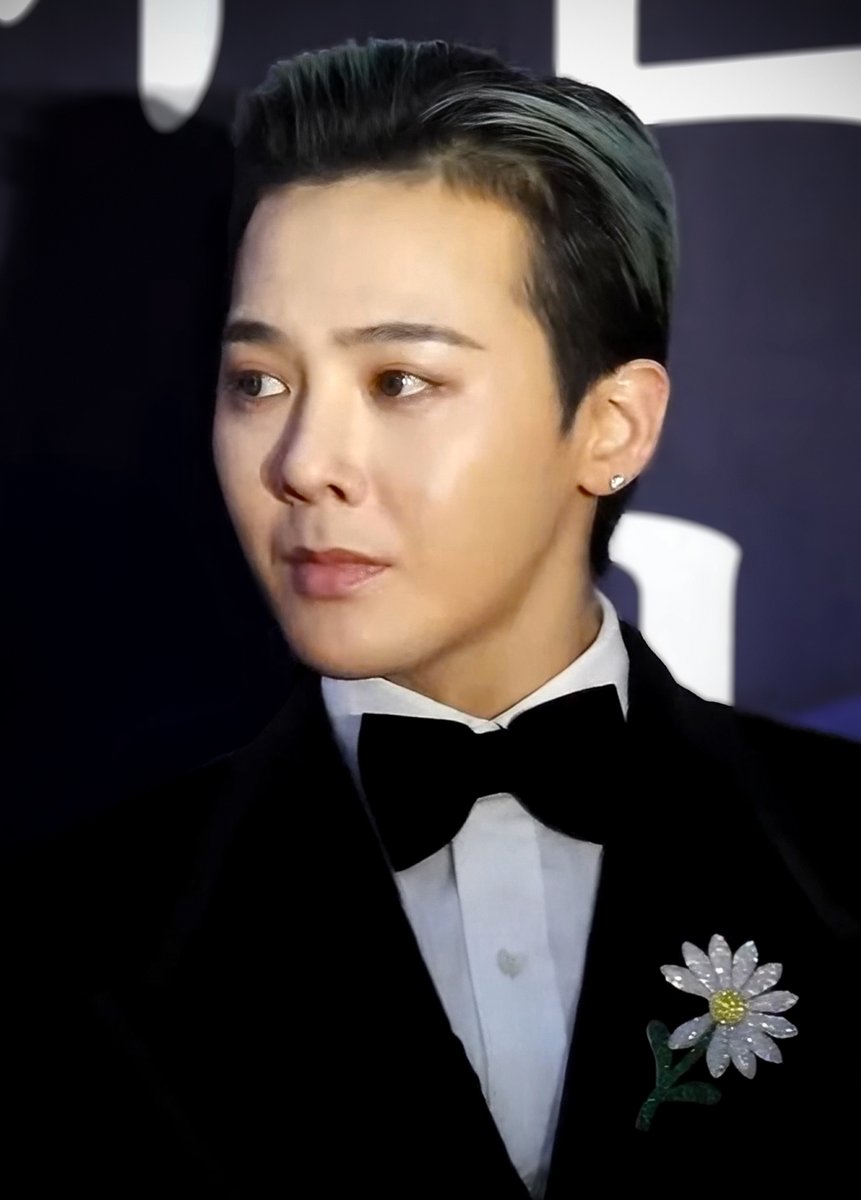
When Dispatch opened D'FESTA THE ORIGIN on October 23 at the MPX Gallery in IFC Mall, Yeouido, Seoul, the exhibition's visual vocabulary arrived via a single costume brief from Juun.J — the Samsung C&T label whose deconstructed, architecturally inflected tailoring is among the most distinctive in Seoul fashion. The D'FESTA THE ORIGIN Juun.J costumes, designed for all 48 participating K-pop artists across nine groups, establish a black-dominant aesthetic built on the tension between restrained precision and dramatically voluminous silhouette. The result is a rare instance of K-pop's most fashion-forward artists being dressed for a single curatorial vision — and one of the most formally ambitious fashion commissions in the K-pop calendar's history.
THE JUUN.J COSTUMES AT D'FESTA THE ORIGIN: DECONSTRUCTION AS A FASHION STATEMENT
Juun.J's approach to the D'FESTA THE ORIGIN commission works through a black-based palette in which the material interest comes not from colour but from construction. Each look takes the shape of deconstruction — garments partially unbuilt or rebuilt from their structural logic — and sets it against silhouettes that alternate between tight restraint and abrupt volumetric expansion. The contrast reflects the exhibition's organising theme: 'paegak', a Korean concept meaning the act of breaking out of a shell to emerge into a new world. The deconstructed garments become literal expressions of that metaphor — forms in the process of becoming rather than settled states.
For Juun.J, the commission extends a practice the label has built since its founding: using tailoring as a site for questioning the conventions of construction rather than upholding them. Applied at this scale — 48 artists, 9 groups, across exhibition spaces designed to hold thousands of visitors through the November 30 close — the brief required the label to produce a cohesive family of looks that would read as a unified visual system while accommodating an enormous aesthetic range: from G-Dragon's maximalist sensibility to aespa's techno-futurist identity. The black base provides the coherence; the deconstructed proportions provide the differentiation.
THE NINE GROUPS, THE EXHIBITION SPACES, AND THE FASHION BEHIND D'FESTA THE ORIGIN
D'FESTA THE ORIGIN brings together 48 artists from nine of K-pop's current centrepieces: G-Dragon, BTS, Stray Kids, TOMORROW X TOGETHER, aespa, ENHYPEN, IVE, RIIZE, and CORTIS. The exhibition is organised around two primary structures: 'The Ninefold', with nine individual sub-areas — one per group — in which each team's visual world is explored through photography, video, spatial design, and interactive installation; and 'Kanon No. 48', a space in which all 48 artists appear together under the exhibition's unified visual language. The Juun.J-designed costumes appear throughout both structures, anchoring the curatorial frame with a material consistency that connects nine very different fashion identities through shared construction logic.
The exhibition, produced by Dispatch and co-managed with MPX Gallery, took over four months of construction — more than 30 built environments across the IFC Mall L3 venue space — to realise. With a 32,000 KRW ticket priced for accessibility by K-pop exhibition standards, the daily schedule runs 11:00 a.m. to 8:40 p.m. KST through the November 30 close. A Tokyo edition of the exhibition is planned for January 2027, taking the Juun.J fashion commission into the Japanese market in one of the season's most anticipated K-pop cultural exports.
WHAT D'FESTA THE ORIGIN MEANS FOR K-POP'S FASHION EXHIBITION CULTURE
D'FESTA THE ORIGIN's most significant fashion dimension is the deliberateness of its curatorial ambition. Previous Dispatch D'FESTA installations — the format began with the 2022 edition marking the company's 10th anniversary, and has since travelled to Tokyo, Taipei, Los Angeles, and beyond — treated idol fashion primarily as documentation: archive material captured through Dispatch's existing photographic practice. The 2026 'THE ORIGIN' edition, with its purpose-built Juun.J commission, positions K-pop fashion not as something to record but as something to design from scratch for an art context.
The Juun.J appointment specifically signals where the K-pop-fashion relationship is heading in its current phase. The Samsung C&T label's work for the exhibition exists in its own category: not an ambassador deal, not a red-carpet collaboration, not a co-branded capsule, but a bespoke costume commission for an art exhibition with a defined conceptual framework. That Juun.J was selected for a commission of this visibility — rather than one of the participating artists' own brand partners — suggests the exhibition's organisers prioritised formal coherence over commercial alignment: an artistic director's brief over a brand brief.
Frequently Asked Questions
K-Pop Group Profiles